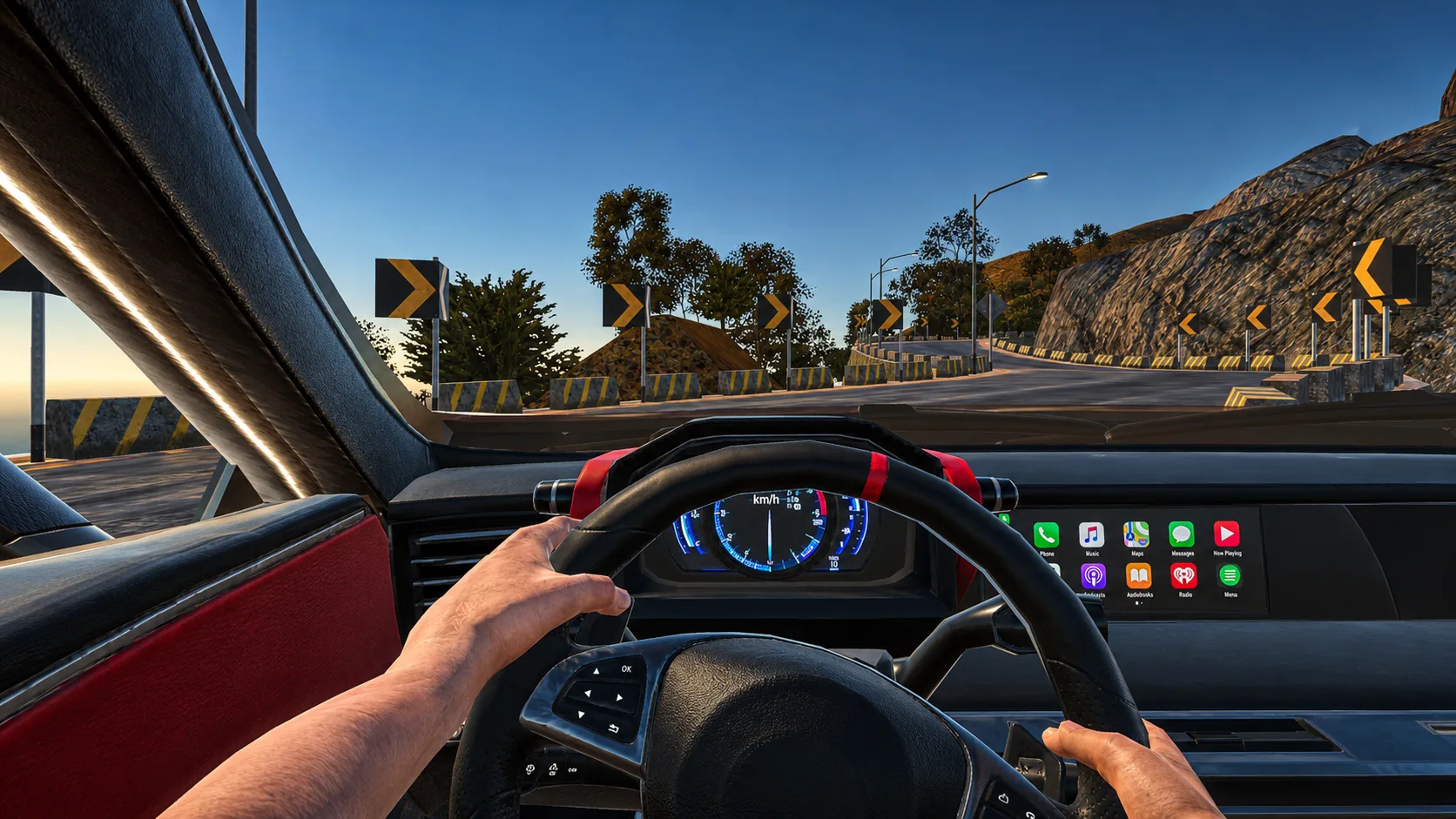
Driving phobia of traumatic origin: criteria that separate it from PTSD, what to treat first in mixed presentations, and how to build the driving hierarchy.
Fear of flying is the phobia that packages best as a closed programme. A six-session structure, the referral routes that work, and how to price it honestly.
Whether online exposure therapy can be done at all, what professional support actually contributes, and which credentials authorise a clinician to deliver it.
What an exposure hierarchy is and how to build one step by step: item selection, anticipated ratings, number of levels, and the design errors to avoid.
What graded exposure is, why gradual pacing protects adherence, and when the evidence lets a clinician compress or reorder the steps without losing efficacy.
What interoceptive exposure is: how the feared body sensations of panic disorder are induced, which exercises the repertoire holds and what precautions apply.
The five types of exposure therapy — in vivo, imaginal, interoceptive, virtual reality and prolonged exposure — and the criteria that decide between them.
How an exposure therapy session is prepared: functional assessment, the prediction under test, materials, the therapist's script and the errors that cost most.
How long exposure therapy takes and how many sessions it needs: bands by presentation, the length of each appointment, and what stretches a course out.
What the meta-analyses report on the efficacy of exposure therapy: effect sizes by comparator, maintenance at follow-up and the honest limits of the evidence.
How exposure therapy works under the inhibitory learning model: what habituation explains, what extinction never erases, and why expectancy runs the show.
What VRET is, the clinical evidence (Cochrane meta-analyses, UJI research), building a VR exposure hierarchy, contraindications, and ROI for private practice.
A nine-level claustrophobia exposure hierarchy built on two independent axes, the differential against agoraphobia, and a brief protocol for MRI referrals.
Acrophobia, vestibular vertigo and visual height intolerance get confused in practice. Five intake questions, two questionnaires and clear referral criteria.
How the NHS's gameChange trial paired VR exposure with an automated virtual coach to treat severe agoraphobia — and what it means for private practice.
After the Psious-Amelia-XRHealth merger, compare 5 real clinical VR alternatives for psychologists: pricing, support, GDPR compliance, no marketing spin.
How VR reduces anxiety during dental, surgical and hospital procedures, and how psychologists treat the underlying medical phobia with graded exposure.
The clinical limits of imaginal exposure in social anxiety and what VR adds: graded avatars, eye contact and hostility levels, with the trial evidence.
A clinical VR exposure protocol for fear of flying: stimulus hierarchy, evidence (Rothbaum, Da Costa), and a 6-10 session sequence for licensed psychologists.
How heart rate, EDA and HRV sensors integrate with VR exposure to give clinicians objective arousal data during a session, and when it just adds noise.
Three composite vignettes showing typical VRET courses in specific phobia, social anxiety and PTSD: session counts, SUDS curves, dropout and GDPR notes.
Absolute and relative contraindications for VRET: epilepsy, psychosis, dissociation, pregnancy, BPPV and cognitive impairment, plus the screening list.
How to present VR exposure therapy to referring physicians: a one-page evidence sheet, standardized outcome reports, and a medication-coordination protocol.
Real VR exposure session pricing in Spanish private practice: €75-130 by city, the typical €20-40 premium over standard fees, and how to justify it to patients.
A guide to clinical VR training options for psychologists in Spain and Europe: minimum quality criteria and red flags that signal a low-quality course.
How Gen Z and millennial patients research psychologists online before booking, and how VR technology and a clean digital presence sway their decision.
A data-driven look at VR exposure therapy adoption in Spanish clinics in 2026: usage rates, the barriers slowing growth, and what NHS and CleVR signal ahead.